Super Powered Cultural Lense
How Superpowers Reflect Culture

Now here’s a discussion topic I’ve been needing to cover. I always wondered why anime tends to have superpowers in a different light than what you see in movies. Turns out this year opened my mind back up to how I keep seeing cultivation as part of a Chinese take on it. To Be Hero X really opened my mind up to this idea.
The American Power Fantasy
My country the USA is often seen as THE place about superheroes and powers. Most people are familiar with the scientific accidents, genetic mutations, and alien heritage. Might as well throw in gadgets and gizmos into the mix too.
It’s easy to see superpowers reflecting the USA spreading its influence around, especially as an entertainment strong arm. But that’s an aftereffect.
It’s just as easy to see some of these power origins reflecting the effects of the American Industrial Revolution. As well as the immigration processing period happening around the same time.
But wait, that doesn’t explain the magic or mythical sides like Shazam!…I’m not touching the Captain Marvel debates.
It sounds more like these are all defined by discoveries: going into the unknown, realizing the human race’s potential, sometimes by outright rejecting old institutions. And the baggage that comes with all of that. Often because what was the big breakthrough of the time loses its appeal. Only to come back again in cycles of nostalgia that compete with the big thing of the time.
Sounds like today’s politics.
Chikara ga Aru
Japan is no stranger to the industrial and political side of superpowers. You might even think of Astro Boy, Akira, and Ghost in the Shell as what kicked things off around there.
Sure cybernetics and psychic powers are often seen as byproducts of advancing humanity. Mostly as a way of building themselves back up after traumatic events like a certain bomb. But the land of the rising sun’s more mixed up than that.
Like…
Nope, nope! We’re saving that for the transition!
You’ve got spirits, demons, and gods practically leaving everything they’ve got everywhere. Including the kids they have!
…
What do you mean? Aren’t they the same?…Alright.
Curses too!
Basically magic passed down from ancestors. The kind that requires super…strict…discipline! to master. Sure technology can make that a little easier; but everything’s gotta have a balance. Less the consequences blow up in everybody’s face.
Sounds like ki’s self-mastery in Dragon Ball is easier.
Obsessive Feng Shui
Or maybe that’s because it’s based on Daoist cultivation. In as laymen as possible: treating yourself like a garden for self-improvement. That’s the founding concept of the Chinese fantasy subgenre, Xianxia.
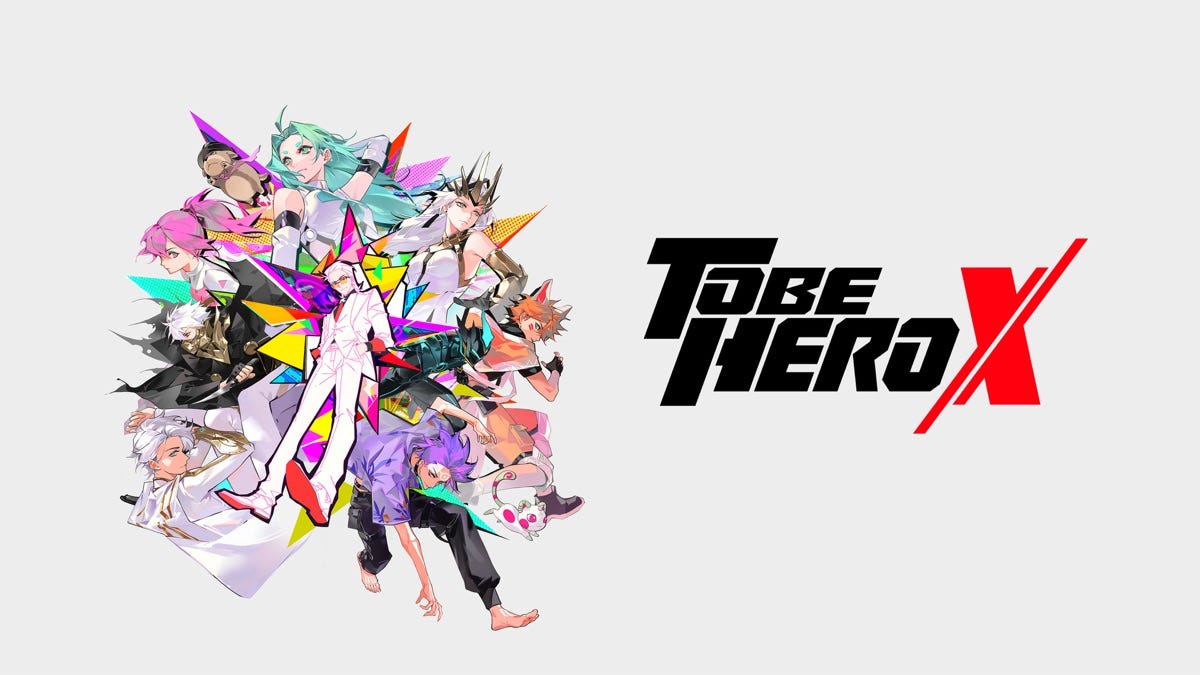
Going back to To Be Hero X for a moment, the same principle applies to the show’s power system. Where by cultivating a following of trust and public belief, the more powerful a hero becomes. Not including some X factors.
But…if investing in chi or some analog isn’t for you, maybe Chinese alchemy is more your thing. Besides, treatment through it is a good first step to start cultivating if you’re handicapped.
At the very least, the potions and pills can lead to the wuxia training for techniques passed down from teacher to student.
Or access some divine ancestry, but those are reserved for emperors and their divined relatives. And nobody relates to those anymore.
Otherwise you’d have to be reincarnated in a Chinese flavored isekai to get anything like that. Or be some incarnation of figures like Nezha, Monkey King, and the White Snake.
Samsara’s Cycles
Still…reincarnation was meant to be seen as some kind of trap. Or that’s how certain Buddhists saw it. The Hindu scripts they got that idea from saw it as a natural cycle until a soul can be liberated.
Does that mean superpowers are a sign of enlightenment?
Depends on how the gods view your karma. And what you intend/do after that. Any and all adaptations of Ramayana and Mahabharata deal with boons and curses, with one not necessarily being better than another. Like how using an invincibility boon against gods and demons (whatever adaptations apply) is what ultimately dooms one character.
So whatever happens during times like these get reflected into a reincarnation or a Karmic rebirth. Not always inheriting the same powers, sometimes they get new ones. There might even be rarer cases of combining these two. All of which come with advantages and drawbacks that test a character’s mettle.
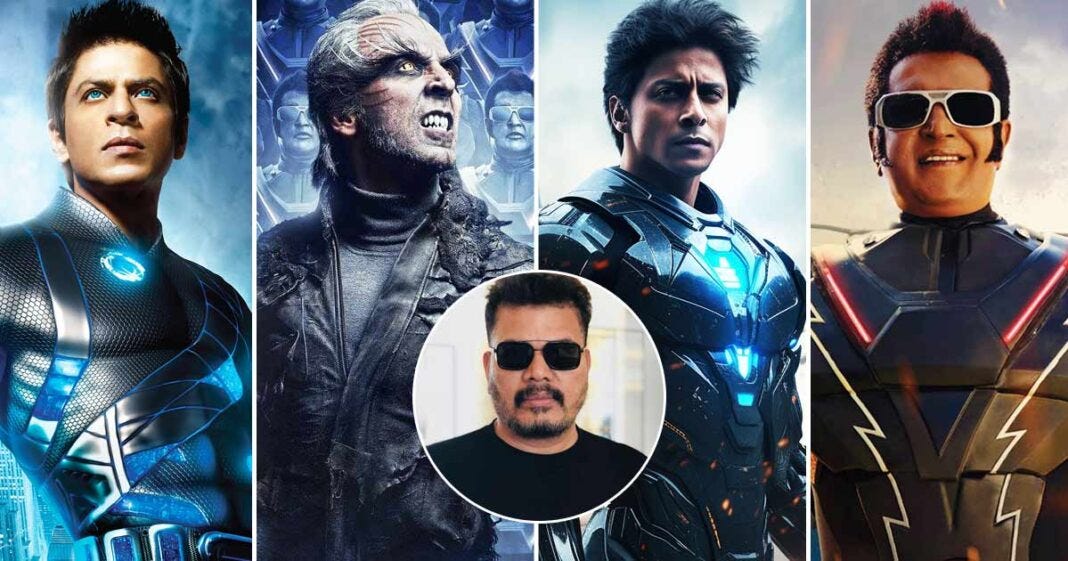
The cycles are often seen in movie actors playing two characters. Like in the Krrish franchise that adapts parts of the epic of Krishna. Or in Ra.One and Enthiran where robots have their creators’ faces.
But if we’re talking discipline, yogic powers are up there. Although much like with chi, this is more about meditation and…staying on the beaten path. The ever present Shiva’s Third Eye is more about insight and clarity in real life compared to the psychic powers people like to depict it as.
Kind of like in Shaktimaan where mastering the seven chakras was what allowed the hero to access the superhuman powers he was given.
If we’re going in more destructive potential, an astra or celestial weapon is never far behind. And only people who meet the criteria can use these.
…
What? I don’t have anything specific.
Chart the Orishas!
Honestly, there’s probably more than just anything that leans into the Orisha. But my exposure to this is limited.
The one I’ve been exposed to the most is Comic Republic’s Guardian Prime. Similar to the Yoruba myths, this character’s powers are granted by the Earth. If only to function as a force for faith.
You see the Orisha are not just gods. They are the very forces of nature, their processes, social roles, and the relationships between each. In Guardian Prime’s case, he is not just a vessel of Gaia’s power, he is proof that (humans) are still a vital element of life on the planet. Not simply the eco-way, but inspiring faith for people to make a better tomorrow.
Guardian Prime is not a god in the traditional sense, he’s the force of something beyond a god.

Can’t forget about ancestral blessings. Another character from Comic Republic, Ireti Bidemi inherited the armor and power of a warrior princess. Who in turn had Orisha origins.
Naturally there are other powers like in technology and potential.
Some of Nigeria’s neighbors and historical rivals across Africa more than likely had other views on superpowers. Including taking on the power of animals for good (Chwezi legends) or bad (werehyenas).
And how…griots(?)…they’re something like bards…what was I talking…oh right-these oral traditions are preserved so much they basically become something like magic. So much that they haven’t had much adaptations.
En la vida
Compare that to two major forms of superpowers that are at odds.
And no, El Chapulin Colorado doesn’t have anything like that. He’s more rooted in Mexican cultural theatrics.
It’s the miracles of folk saints and…Bru-hair-e-ah?
So mystic catholicism vs. witchcraft.
Now before anyone brings up irony or something, you gotta understand magical realism.
In plain: it means things like fairies, chupacabras, and ghosts are just part of everyday life.
Meaning everything can coexist from magic to whatever people call holy. Including the mask of a luchador. It’s a symbol that culture gave power to as much as the cross.
Not sure if those can give curses or blessings from past events though. But anybody with those will try to make the most of it.
…What? Mexico doesn’t make this stuff easy to find. Most I could find was stuff from Argentina adapting something about a silver man.
Muitas Faces
Now if we’re talking Brazil. There’s plenty to go on with superpowers. Brazil’s got plenty of the magical realism as much as the diversity via immigrants and their influence. Not just the Portuguese but aliens like with Capitão 7. Although it’s more like a Brazilian student getting a scholarship to study abroad. Same for the Combo Rangers…far as a foreign teacher working in Brazil counts.
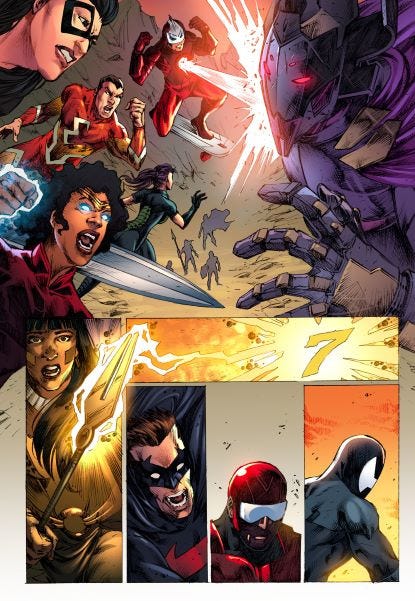
For an even bigger pictures look at Orixas. Sound familiar? The Yoruba religion and their gods have a place in Brazil’s Candomblé. Quite compatible with local beliefs having many faces rather than just having one representative.
If we’re talking more indigenous perspectives, Jaguara of a magical nation in the Amazon Rainforest fits that label. Demons, gods, and a sacred tribal artifact will do that. This more or less reflects the mystique and challenges of many nations in the Amazon to hold onto their identities.
Arabian Regions
While I don’t like putting everything under one label, the truth is there aren’t a lot of ideas on what superpowers would look like. Save for a few.
The anthologies Majid & Alaa El-Deen touch on folklore like djinn and other supernatural pacts. Sometimes that involves the concept of Sihr, magic used for good or bad. Often because of the type of books they’re read from.
No doubt because of the contrasting ways knowledge and wisdom are applied in Islam.
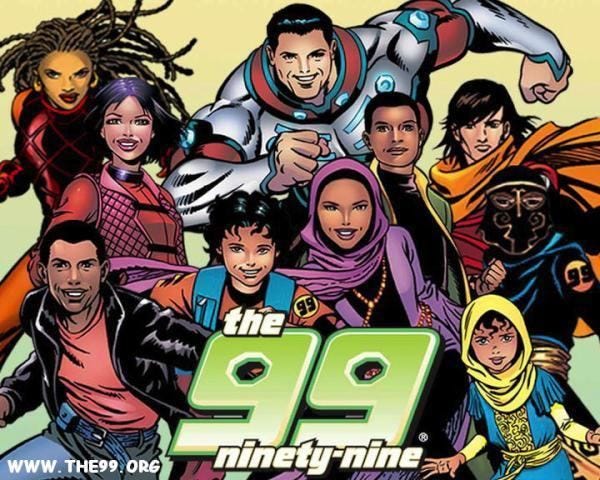
Even in Kuwait, the applauded super team The 99 was based on Allah’s ninety-nine attributes.
As for more recent titles like Wayl, superpowers play with these themes in more gray areas. Like knowing too much about your family’s dark secrets, struggling with destiny, and finding the wisdom and will to turn it around. You can find that last part in inspiration.
Are There Other Kinds of Superpowers?
These are all probably the broadest looks on how superpowers manifest across the globe. It does make me wonder why British, Canadian, Korean, and Turkish lenses aren’t so easily known. Might be because they overlap with some bits and pieces of different models.
If anything superpowers are like how people looked at the night sky. See Chinese astronomy organized the sky around seasons, politics, and…ugh I’m bored.
I’d rather hear how Aboriginal Australia and the Incas mapped dark clouds for ecology.
Point is, every culture has a way of expressing its priorities. And sometimes those cultures change to suit them. The Western astronomy model for example comes from Greek AND Islamic star catalogues.
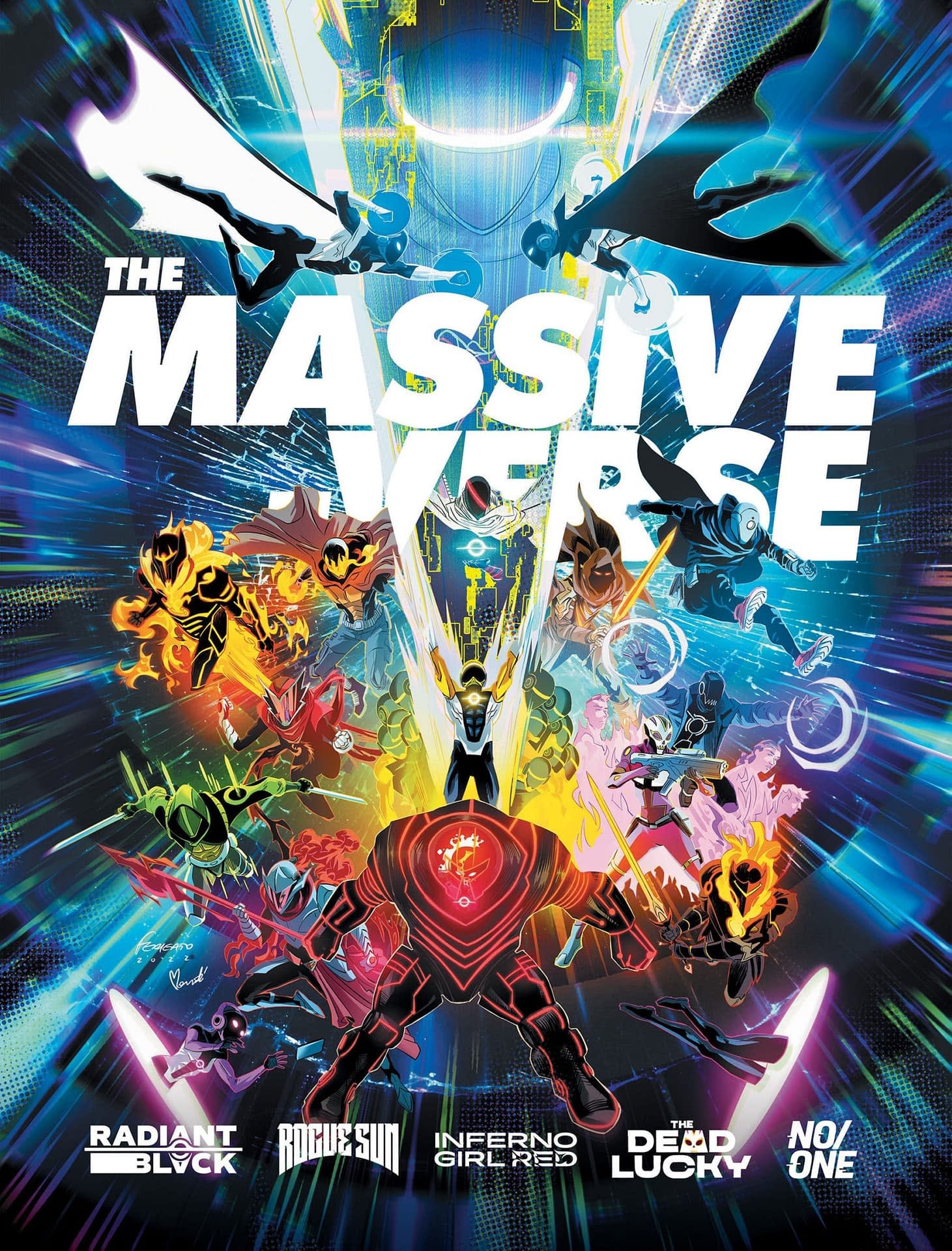
That’s even happening in superpowers. The Massive-verse is famous for combining American takes on discovery with Japanese discipline for redirection.
So what does that mean going forward? You tell me.